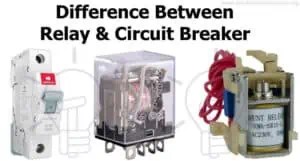
The relay is a switching device that gives a signal to the circuit breaker as soon as the fault occurs in the power system Relays control power, while circuit breakers protect circuits Circuit breaker breaks the circuit automatically when receives the signal from the relay.
Difference-between-Relay-Circuit-Breaker-and-Isolator-2
Circuit breakers provide protection against overloads and short circuits, ensuring the safety and reliability of electrical circuits
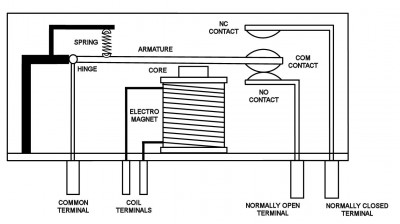
Relays, on the other hand, act as electrically operated switches, allowing low.
Discover the key differences and similarities between relays and circuit breakers Learn how each works and which is right for your electrical system. Understand the difference between relays and circuit breakers, their roles in protection systems, and why testing both with professional equipment like the quasar and raptor is crucial for. Relays and circuit breakers are both used for circuit protection, but they are not interchangeable
There are some important differences between these components, which are. Want to understand the difference between relay and circuit breaker Take a look at this extensive guide to know all the details. A relay only provides signals to the circuit breaker in case of fault conditions while circuit breaker act as automatic circuit making or breaking device based on the information provided by relay signals.

A relay is an electrically operated switch, while a circuit breaker is a device designed to protect an electrical circuit from damage caused by an overload or a short circuit.